

Remember those amazing dinosaurs from Jurassic Park? It’s been a while, but those creatures changed how we see movies. They weren’t just computer graphics; a lot of them were incredible animatronics, built to look and move like real dinosaurs. People often wonder, Where are the animatronic dinosaurs from Jurassic Park now? It’s a good question, because those things were truly special. Let’s take a look at what made them so cool and what happened to them after the cameras stopped rolling.
Key Takeaways
- Jurassic Park’s animatronics changed moviemaking forever by showing how real physical models could be.
- Many original animatronic dinosaurs are carefully kept in storage or shown in museums.
- Animatronic technology has come a long way since the 90s, and it is often working with computer effects now.
- Making these dinosaurs involved a lot of artistic skill and detailed work by talented people.
- Companies like Cinemagic Workshop keep improving animatronics, making them more realistic and safe for today’s world.
The Enduring Legacy Of Jurassic Park’s Animatronics
Pioneering Realism In Film
Jurassic Park wasn’t just a movie; it was a revolution. Before it, animatronics were often clunky and unconvincing. This film changed everything, blending practical effects with emerging CGI to create dinosaurs that felt real. It set a new standard that filmmakers still chase today. The initial film received praise for its groundbreaking use of CGI and animatronics. It’s hard to imagine modern creature design without acknowledging Jurassic Park‘s impact.
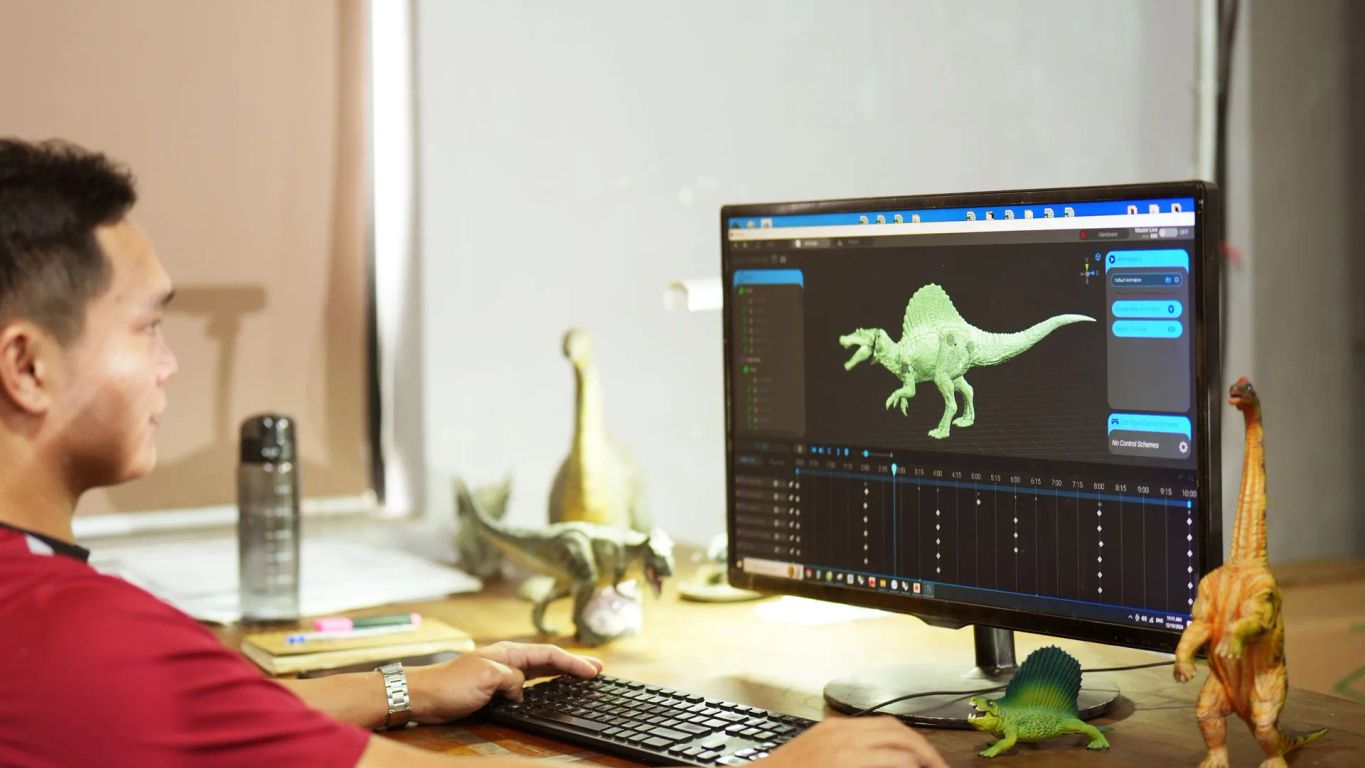
Pioneering Realism In Film
Setting New Industry Standards
- Improved realism in creature design.
- Advanced motion control systems.
- Closer collaboration between special effects teams.
The film’s success forced the industry to rethink how it approached special effects. Budgets increased, research and development became a priority, and the bar for believability was raised significantly.
Inspiring Future Generations
Jurassic Park didn’t just influence filmmakers; it sparked the imaginations of countless kids (and adults!). Many special effects artists, paleontologists, and even engineers cite the film as a major influence in their career choices. Companies like Cinemagic Workshop, a trusted manufacturer from Vietnam, continue to push the boundaries of what’s possible, drawing inspiration from the craftsmanship and artistry displayed in Jurassic Park. Following Winston’s passing in 2008, the practical dinosaur effects have evolved. The legacy lives on, inspiring new ways to bring creatures to life with realism and safety in mind.
Where Are The Original Animatronics Now?
It’s a question that sparks the imagination: What happened to those incredible dinosaurs after the cameras stopped rolling on Jurassic Park? The answer is a mix of preservation, display, and, in some cases, a bit of mystery.
Preservation Efforts And Storage
Many of the original animatronics required careful storage to protect them from the elements and decay. The sheer size and complexity of these creatures meant specialized facilities were needed. Think climate-controlled warehouses, where temperature and humidity are carefully monitored. Some were disassembled for easier storage, with components meticulously cataloged. It’s not quite the Meurtes Archipelago, but it’s a haven of sorts.
Exhibits And Museum Displays
Some of the luckier animatronics found their way into museums and exhibitions, allowing fans to get up close and personal with these movie icons. These displays often involve restoration work to bring the dinosaurs back to their former glory. Imagine seeing a T-Rex head looming over you, a testament to the artistry and engineering that went into its creation. It’s a chance to appreciate the craftsmanship in a way that a movie screen can’t fully convey.
Private Collections And Auctions
Believe it or not, some of the Jurassic Park animatronics ended up in private hands. Wealthy collectors, film enthusiasts, and even some of the original crew members acquired pieces over the years. These items occasionally surface at auctions, fetching impressive sums. It’s a reminder that these aren’t just props; they’re pieces of cinematic history. Speaking of craftsmanship, companies like Cinemagic Workshop are known for their dedication to artistry, creating realistic and safe animatronics that capture the same sense of wonder as the originals.
The journey of these animatronics highlights the challenges of preserving complex movie props. Conservation requires significant resources and expertise, ensuring these creations can be enjoyed by future generations.
Here’s a quick rundown of where some pieces might be:
- Museums (rotating exhibits)
- Private collections (rarely seen)
- Film archives (carefully stored)
- Specialty auctions (sporadically available)
The Evolution Of Animatronic Technology
Advancements Since Jurassic Park
Since “Jurassic Park,” animatronic technology has leaped forward. We’re talking lighter materials, more precise movements, and better durability. Think about it: the dinosaurs in that movie were groundbreaking, but they were also heavy and somewhat limited. Now, animatronics can achieve incredibly subtle expressions and actions. It’s not just about big, roaring creatures anymore; it’s about nuanced performances. Animatronic technology has come a long way.
Integration With CGI
Animatronics and CGI aren’t rivals; they’re partners. The best creature effects often blend the two. Animatronics give actors and filmmakers something real to work with on set, providing a physical presence that CGI alone can’t replicate. Then, CGI can be used to enhance the animatronic’s movements, add details, or even replace parts of it entirely. This combination allows for a level of realism that wasn’t possible before. It’s a collaborative process that pushes the boundaries of what’s achievable on screen.
The Future Of Creature Effects
What’s next for creature effects? Well, it’s looking pretty exciting. Here are a few things to keep an eye on:
- AI-powered animatronics: Imagine animatronics that can react to their environment and improvise their movements. That’s the potential of AI.
- More sustainable materials: The industry is moving towards eco-friendly materials that are both durable and biodegradable.
- Increased accessibility: As technology becomes more affordable, we’ll likely see animatronics used in smaller productions and even in personal projects.
The future of animatronics is about creating believable characters, not just impressive effects. It’s about telling stories in new and engaging ways. Companies like Cinemagic Workshop are at the forefront, pushing the boundaries of what’s possible with their innovative designs and commitment to craftsmanship. They understand that safety and realism are key, and they’re constantly working to improve their techniques. audio-animatronics are a great example of this.
Cinemagic Workshop, based in Vietnam, is a great example of a company that understands this balance. They’re known for their realistic and safe designs, transforming concepts into reality with a focus on artistry and innovation.
The Artistry Behind The Dinosaurs
Crafting Hyper-Realistic Detail
Creating the dinosaurs for Jurassic Park wasn’t just about mechanics; it was about artistry. The goal was to make these creatures believable, and that meant paying attention to every single detail. Think about the texture of the skin, the way the muscles moved, and even the glint in their eyes. It’s this level of commitment that made the dinosaurs so captivating. The team understood that audiences would only be convinced if the dinosaurs felt real, and that realism came from meticulous craftsmanship. This is why the animatronics still hold up today, even compared to modern CGI. It’s a testament to the power of practical effects when executed with passion and skill. The dedication to realism is what sets Jurassic Park apart and continues to inspire creature designers.
Bringing Imagination To Life
It’s one thing to build a machine, but it’s another to breathe life into it. The animatronic dinosaurs weren’t just robots; they were characters. The puppeteers and technicians worked hard to give them personality and emotion. They studied animal behavior, and they translated that into the movements of the dinosaurs. A slight tilt of the head, a subtle twitch of the tail – these small details added depth and made the dinosaurs feel alive. This is where the artistry truly shines. It’s not just about building something that looks like a dinosaur; it’s about creating something that feels like a dinosaur. This blend of technical skill and artistic vision is what made the dinosaurs so memorable.
The Role Of Skilled Technicians
Animatronics are complex machines, and they require a team of skilled technicians to operate and maintain them. These technicians are the unsung heroes of Jurassic Park. They worked behind the scenes to ensure that the dinosaurs moved smoothly and convincingly. They were also responsible for troubleshooting any problems that arose during filming. Without their expertise, the animatronics wouldn’t have been nearly as effective. It’s a reminder that even the most advanced technology requires human skill and dedication to bring it to life. Companies like Cinemagic Workshop understand this balance, combining innovative designs with the craftsmanship needed to create truly believable creatures. They focus on realistic and safe designs, ensuring that every creation meets the highest standards of quality and artistry.
The magic of animatronics lies in the collaboration between artists, engineers, and technicians. Each brings a unique set of skills to the table, and it’s through their combined efforts that these incredible creatures come to life.
Here are some key roles involved:
- Sculptors: Create the initial form and details of the dinosaur.
- Engineers: Design the internal mechanisms and ensure smooth movement.
- Technicians: Operate and maintain the animatronics on set.
Impact On Modern Animatronic Manufacturing
Lessons Learned From Early Designs
Looking back at Jurassic Park, it’s clear that the animatronics weren’t just cool effects; they were a masterclass in engineering and design. Those early dinosaurs taught manufacturers a ton about movement, scale, and how to make things look real. We learned what worked, what didn’t, and how to push the boundaries of what’s possible. For example, the weight distribution in the T-Rex animatronic was a huge challenge, and the solutions they came up with back then still influence how we approach similar problems today. It’s all about building on that foundation of knowledge.
Innovations In Durability And Safety
Animatronics have come a long way since the ’90s. One of the biggest changes is in the materials we use. Early animatronics often relied on heavier, less durable materials, which could be a safety concern. Now, we’re using lighter, stronger stuff that can withstand a lot more wear and tear. Think advanced polymers, improved hydraulics, and more reliable control systems. This means safer, longer-lasting creations. Companies like Cinemagic Workshop are at the forefront, constantly innovating to ensure their animatronics meet the highest safety standards. They’re setting the bar for the industry.
Meeting Demands For Realistic Creations
Today’s audiences expect a lot. They’ve seen it all, so you can’t just throw any old animatronic on screen and expect people to be impressed. The demand for realism is higher than ever, and that pushes manufacturers to get super creative. It’s not just about making something move; it’s about capturing the subtle nuances of life. Think about the way a creature breathes, the twitch of its muscles, the glint in its eye. All those little details add up to something truly believable. Cinemagic Workshop, for example, specializes in crafting hyper-realistic details that evoke wonder and amazement.
The integration of CGI and animatronics has also played a significant role. It allows for a level of detail and complexity that was previously unattainable. By combining the tangible presence of physical models with the limitless possibilities of digital enhancements, manufacturers can create truly breathtaking and immersive experiences.
Here’s a quick look at how things have changed:
- Improved materials for enhanced durability
- Advanced control systems for smoother movements
- Greater integration of CGI for added realism
The Enduring Appeal Of Practical Effects
Why Animatronics Still Captivate Audiences
There’s just something special about seeing a physical creation come to life. In an age dominated by CGI, animatronics offer a tangible connection to the fantastical. It’s the artistry, the mechanics, and the sheer ingenuity that draw us in. We know it’s real, at least in some sense, and that makes the experience all the more believable. It’s why even with all the advancements in digital effects, animatronics continue to hold a special place in our hearts. The magic of seeing something built by hand, brought to life through careful engineering, is hard to replicate with pixels alone. This is especially true for younger audiences, who may be more easily impressed by the realism of a physical creation.
The Tangible Presence Of Physical Models
Animatronics bring a weight and presence to the screen that CGI often struggles to match. The way light interacts with a physical model, the subtle movements, and the imperfections all contribute to a sense of realism that can be difficult to achieve digitally. Think about the dinosaurs in Jurassic Park. The animatronic dinosaurs had a heft and a texture that made them feel like living, breathing creatures. That’s hard to fake. The presence of physical models also provides actors with something real to interact with, which can lead to more authentic performances. It’s a collaborative process where the actors and the animatronics work together to create a believable scene. This is a big part of why practical effects are still used in filmmaking today.
Balancing Practicality With Digital Enhancements
The best creature effects often come from a blend of practical and digital techniques. Animatronics can provide the foundation, the physical presence, while CGI can be used to enhance movements, add details, or create environments. It’s about finding the right balance. For example, an animatronic dinosaur might be used for close-up shots, while a CGI version is used for wide shots or complex action sequences. This approach allows filmmakers to take advantage of the strengths of both techniques, creating effects that are both believable and visually stunning. Companies like Cinemagic Workshop understand this balance, crafting animatronics that seamlessly integrate with digital enhancements. They focus on creating a strong physical base, knowing that the best effects are often a collaboration between the tangible and the digital.
Practical effects offer a unique connection to the audience. They provide a sense of realism and tangibility that can be difficult to achieve with CGI alone. By combining practical effects with digital enhancements, filmmakers can create truly believable and immersive experiences.
Here’s a simple comparison of the two approaches:
| Feature | Animatronics | CGI |
|---|---|---|
| Realism | High (tangible presence) | Variable (can be hyper-real) |
| Cost | Can be expensive upfront | Can be expensive long-term |
| Flexibility | Limited by physical design | Highly flexible |
| On-set Presence | Physical presence for actors | None |
- Animatronics provide a physical presence on set.
- They offer a unique tactile quality.
- Skilled technicians are essential for operation.
Cinemagic Workshop’s Contribution To Animatronics
A Trusted Manufacturer From Vietnam
When you think about animatronics, you might picture Hollywood studios. But some of the most innovative work is happening elsewhere. Cinemagic Workshop, based in Vietnam, is quickly becoming a go-to name for high-quality animatronics. They’re not just building robots; they’re crafting characters. Their location allows them to combine skilled craftsmanship with cost-effective solutions, making them a competitive player in the global market. They’re bringing a fresh perspective and dedication to the art of animatronics.
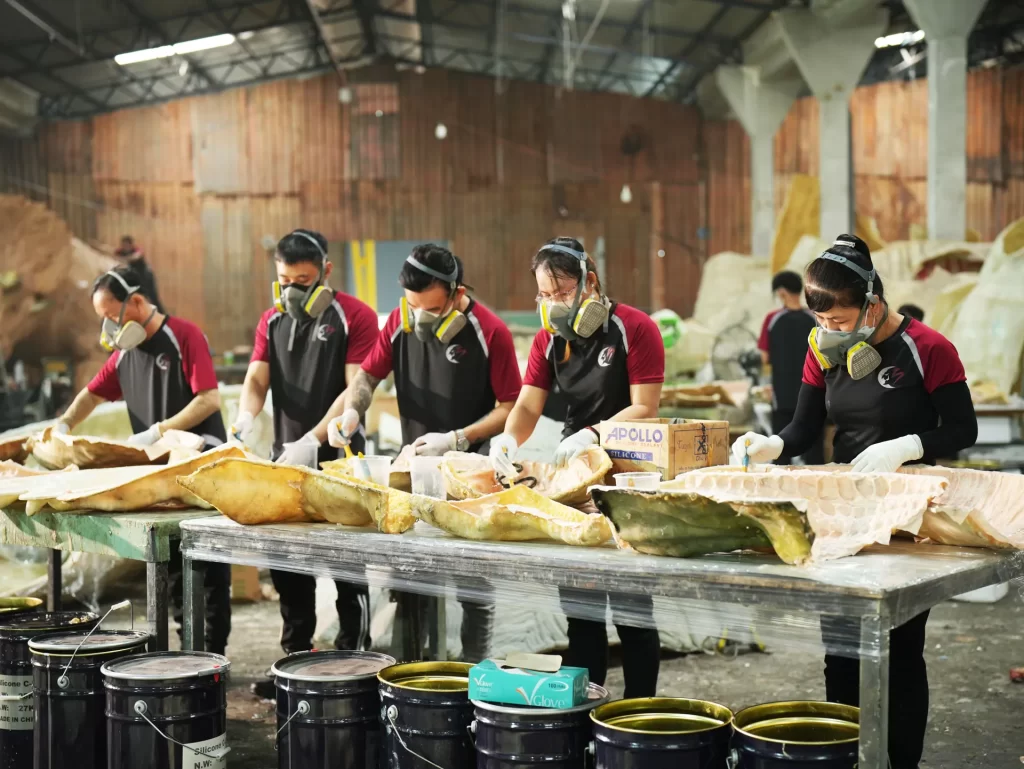
CineMagic Workshop – A Trusted Manufacturer From Vietnam
Specializing In Realistic And Safe Designs
Cinemagic Workshop stands out because of its commitment to both realism and safety. Their animatronics aren’t just visually impressive; they’re built to operate safely in public spaces. This is especially important for theme parks and museums, where the safety of visitors is paramount. They use advanced materials and engineering to ensure their creations are durable, reliable, and safe for interaction. It’s this attention to detail that sets them apart.
Here’s what makes their designs special:
- Realistic movement: They focus on replicating natural motion.
- Durable construction: Built to withstand heavy use.
- Safety features: Designed to protect both the animatronic and the audience.
Transforming Concepts Into Reality
Turning an idea into a physical, moving animatronic is no easy feat. Cinemagic Workshop excels at taking concepts and making them real. Whether it’s a wholesale animatronic Dimetrodon for a museum exhibit or a custom creature for a theme park, they have the skills and experience to bring it to life. They work closely with clients throughout the design and manufacturing process, ensuring the final product meets their exact specifications. It’s this collaborative approach that makes them a trusted partner for animatronic projects of all sizes.
Cinemagic Workshop’s success comes from a blend of technical skill, artistic vision, and a dedication to client satisfaction. They understand that animatronics are more than just machines; they’re storytellers, capable of captivating audiences and creating unforgettable experiences. Their work reflects a deep passion for the art of animatronics and a commitment to pushing the boundaries of what’s possible.
Discover how Cinemagic Workshop made animatronics awesome! They helped bring those cool moving figures to life. Want to see more of their amazing work? Head over to our website for all the details!
Bringing It All Together
So, as we wrap things up, it’s pretty clear that the animatronic dinosaurs from Jurassic Park are more than just movie props. They’re a big part of film history, showing how far special effects have come. Even though they might not be stomping around on screen anymore, their impact is still felt. Companies like Cinemagic Workshop, based in Vietnam, are carrying on this tradition. They make detailed, lifelike animatronics that keep that sense of wonder alive. It’s cool to see how the spirit of those original movie dinosaurs lives on through new creations, proving that good design and careful work can make something truly special.
Read more: Why Cinemagic Workshop (Vietnam) Is a Top Choice for Custom Animatronics