

Ever wonder how those incredible, moving dinosaurs in movies or theme parks come to life? It’s not magic, but it definitely feels like it! Building an animatronic dinosaur is a big project, a mix of art and engineering. It takes some planning, the right parts, and a bit of patience. This guide will walk you through the steps involved in how to build an animatronic dinosaur, from your first idea to seeing your creation move.
Key Takeaways
- Know what you want your dinosaur to do and how big it will be before you start.
- Design the dinosaur’s look and how its bones will move before buying anything.
- Pick materials that will last and look real, and get the right electronics for movement.
- Build a strong frame and put in the motors and wires carefully.
- Make sure your dinosaur looks good on the outside with skin, color, and details, and program its movements to bring it to life.
Understanding the Animatronic Dinosaur Vision
So, you want to build an animatronic dinosaur? Awesome! Before you even think about actuators or skin materials, it’s super important to get a clear picture of what you’re trying to achieve. This initial vision will guide every decision you make, from the size of your dino to the complexity of its movements. Think of it as your North Star – always there to keep you on track.
Defining Your Dinosaur’s Purpose and Scale
First things first: what’s this dinosaur for? Is it a museum exhibit meant to educate and amaze? Is it a backyard project to scare (or delight!) the neighbors? Or maybe it’s destined for a film set? The purpose directly impacts the scale. A museum piece might need to be life-size or even larger, while a backyard dino could be smaller and easier to manage. Consider these questions:
- Where will the dinosaur live?
- Who is the target audience?
- What kind of interaction will people have with it?
Knowing the answers to these questions will help you determine the appropriate size, level of detail, and overall complexity of your project. Don’t skip this step – it’s the foundation for everything else.
Exploring Different Animatronic Technologies
Animatronics have come a long way! You’ve got a few main options to consider for bringing your dinosaur to life. Pneumatics (air pressure) are powerful and can create fast movements, but they can also be noisy. Hydraulics (fluid pressure) offer even more power and smoother motion, but they’re more complex and expensive. Electric motors are quieter and easier to control, making them great for more subtle movements. Each technology has its pros and cons:
| Technology | Pros | Cons |
|---|---|---|
| Pneumatics | Powerful, fast | Noisy, less precise |
| Hydraulics | Very powerful, smooth | Complex, expensive |
| Electric Motors | Quiet, easy to control | Less powerful than pneumatics or hydraulics |
Cinemagic Workshop, known for their innovative animatronics, often combines these technologies to achieve the perfect balance of power, control, and realism. They are a great example of animatronic manufacturer that you can look up for inspiration.
Setting Realistic Expectations for Your Project
Okay, let’s be real. Building an animatronic dinosaur is a big project. It’s going to take time, effort, and, yes, money. It’s important to set realistic expectations from the start to avoid frustration down the road. Don’t expect to build a Jurassic Park-quality T-Rex in your garage in a weekend. Consider your budget, your skill level, and the resources available to you.
Here are some things to keep in mind:
- Complexity: Start with a simpler design and gradually increase complexity as you gain experience.
- Time: Be prepared to spend a significant amount of time on this project. It’s not a sprint, it’s a marathon.
- Budget: Accurately estimate your costs and be prepared for unexpected expenses. Materials, tools, and components can add up quickly. Kawah Dinosaur is a great example of a company that can help you with dinosaur themed parks, so you can get an idea of the costs involved.
Designing Your Prehistoric Creation
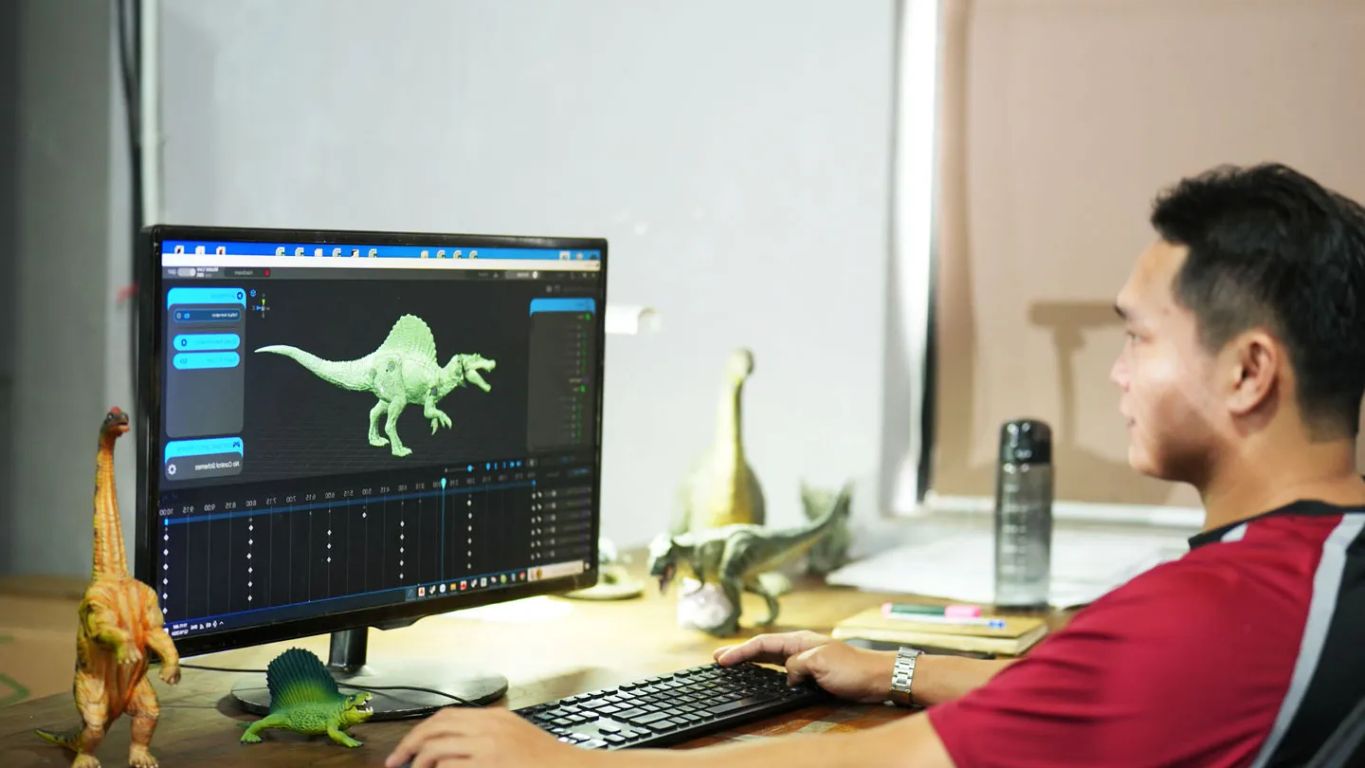
Now that you have a vision, it’s time to get into the nitty-gritty of design. This stage is where your ideas start taking a tangible form. We’ll cover everything from the overall look to the internal mechanics that will bring your dinosaur to life. It’s a complex process, but with careful planning, you can create a truly impressive animatronic dinosaur.
Conceptualizing the Dinosaur’s Appearance
First, decide exactly what kind of dinosaur you’re building. Is it a towering T-Rex, a graceful Brachiosaurus, or a swift Velociraptor? Gather reference images, study skeletal structures, and think about the details. What color is its skin? Does it have feathers or scales? What about scars or unique markings? The more detailed your initial concept, the easier it will be to create a realistic and believable animatronic. Consider the dinosaur’s environment and how it would have adapted to it. This will inform your design choices and add authenticity.
Developing the Internal Skeletal Structure
The skeleton is the foundation of your animatronic dinosaur. It needs to be strong enough to support the weight of the skin and withstand the forces generated by the movements. Steel or aluminum are common choices for larger dinosaurs, while lighter materials like PVC pipe might work for smaller models. Plan the joints carefully, considering the range of motion you want to achieve. Think about how the skeleton will be assembled and disassembled for maintenance. Gengu, a leading animatronic dinosaur factory, specializes in robust frame construction, so researching their methods can be beneficial.
Planning for Movement and Articulation
This is where the magic happens. How will your dinosaur move? Will it walk, roar, or simply blink its eyes? Each movement requires careful planning and engineering. Consider using a combination of motors, hydraulics, and pneumatics to achieve the desired effects. Think about the placement of actuators and how they will connect to the skeleton and skin. The goal is to create smooth, realistic movements that bring your dinosaur to life. Cinemagic Workshop are masters of bringing creatures to life, and their animatronics are known for their fluid and realistic motion. They are an innovative animatronic manufacturer that can be a great source of inspiration.
Remember to prioritize safety in your design. Ensure that all moving parts are properly guarded and that there are emergency stop mechanisms in place. A well-designed animatronic dinosaur is not only impressive but also safe to operate and maintain.
Here are some key considerations for planning movement:
- Range of Motion: Determine the maximum and minimum angles for each joint.
- Speed: Decide how quickly each movement should occur.
- Synchronization: Coordinate the movements of different body parts to create realistic actions.
Sourcing Essential Materials and Components
Okay, so you’ve got your dinosaur design all figured out. Now comes the fun part: gathering all the stuff you need to actually build it. This stage is super important because the quality of your materials will directly impact how your animatronic dinosaur looks, moves, and holds up over time. Let’s break down what you need to think about.
Selecting Durable and Realistic Skin Materials
Choosing the right skin material is a big deal. You want something that looks believable, can handle some wear and tear, and is easy enough to work with. Here are a few options:
- Silicone: This is a popular choice because it’s flexible, durable, and can be textured to look like real dinosaur skin. It’s also weather-resistant, which is great if your dino will be outdoors.
- Foam Latex: Foam latex is another good option for creating realistic skin. It’s lightweight and can be sculpted easily, but it’s not as durable as silicone and needs to be sealed to protect it from the elements.
- Fabric and Latex: You can also use a combination of fabric and latex to create the skin. This is a more budget-friendly option, but it might not look as realistic as silicone or foam latex.
Don’t skimp on the skin! It’s what everyone will see first. Think about the texture, color, and how it will move with the underlying mechanics. A good skin job can make or break the whole project.
Choosing the Right Actuators and Electronics
This is where things get technical. Actuators are the muscles of your dinosaur, and electronics are the brains. You’ll need to pick actuators that are strong enough to move the different parts of your dinosaur, and electronics that can control those movements precisely. Here’s a quick rundown:
- Actuators: These can be electric motors, pneumatic cylinders, or hydraulic cylinders. Electric motors are good for smaller movements, while pneumatics and hydraulics are better for larger, more powerful movements.
- Microcontrollers: These are the brains of your operation. Arduino boards are a popular choice because they’re easy to program and have a ton of online resources available. DIY wooden mechanical T-Rex dinosaur toy kit can be a good starting point to understand basic mechanics.
- Sensors: If you want your dinosaur to react to its environment, you’ll need sensors. These can include proximity sensors, light sensors, and sound sensors.
Consider the weight and size of your dinosaur when choosing actuators. You don’t want to use tiny motors to move a giant head!
Acquiring Tools for Fabrication and Assembly
Okay, you’ve got your materials. Now you need the tools to put it all together. Here’s a list of some must-haves:
- Sculpting Tools: If you’re sculpting your own skin, you’ll need tools like clay sculpting tools, knives, and sandpaper.
- Cutting Tools: You’ll need tools to cut and shape your materials. This could include a saw, a knife, and a pair of scissors.
- Fastening Tools: You’ll need tools to fasten everything together. This could include a drill, a screwdriver, and a rivet gun.
- Wiring Tools: If you’re using electronics, you’ll need tools to wire everything up. This could include a soldering iron, wire strippers, and a multimeter.
| Tool | Use |
|---|---|
| Soldering Iron | Connecting electronic components |
| Wire Strippers | Removing insulation from wires |
| Multimeter | Testing electrical circuits |
Remember, safety first! Always wear appropriate safety gear when using power tools. And if you’re not comfortable with electronics, consider taking a class or getting help from someone who is. Companies like Cinemagic Workshop are known for their craftsmanship and safety standards, so looking at their builds can give you an idea of what’s involved. They’re industry leaders for a reason. You can also find dinosaur model kits to practice your assembly skills.
Constructing the Animatronic Framework
Alright, so you’ve got your design hammered out, and you’ve gathered all your materials. Now comes the really fun part: building the framework that will bring your dinosaur to life. This is where your vision starts to take physical form. It’s a process that requires patience, precision, and a good understanding of mechanics. Think of it as building the skeleton of your beast – it needs to be strong, flexible, and capable of supporting all the fancy stuff you’ll add later.
Building the Robust Internal Chassis
The internal chassis is the backbone of your animatronic dinosaur. It’s what everything else attaches to, so it needs to be seriously sturdy. We’re talking steel, aluminum, or some other high-strength material. Welding is often involved, so if you’re not comfortable with that, now’s the time to find someone who is. The chassis needs to be designed to withstand the forces exerted by the motors and hydraulics, as well as the weight of the skin and other components. Consider the overall size and weight distribution of your dinosaur when designing the chassis. A well-built chassis will ensure that your dinosaur moves smoothly and doesn’t fall apart after a few uses. For example, when crafting a realistic dinosaur costume, the frame is the first thing to consider.
Integrating Motors and Hydraulic Systems
This is where things get interesting. You’ll need to carefully integrate your motors and hydraulic systems into the chassis. This involves mounting the actuators in strategic locations to control the movement of different body parts. Think about how each joint needs to move and select actuators that are appropriately sized and powered. Wiring and tubing will need to be routed neatly and securely to prevent them from getting tangled or damaged. Proper planning is key here. You don’t want to end up with a mess of wires and hoses that restrict movement or cause malfunctions. Cinemagic Workshop are experts in this area, and their animatronics are known for their smooth, realistic movements. They really know how to make these systems work together seamlessly.
Wiring the Control Systems for Movement
Now for the brains of the operation. You’ll need to wire up your control systems to connect the actuators to your controller. This involves running wires from the actuators to a central control box, where they can be connected to a microcontroller or other control device. Label everything clearly to avoid confusion later on. You’ll also need to install sensors to provide feedback to the controller, allowing for more precise and coordinated movements. This is where you’ll start to see your dinosaur really come to life. It’s a complex process, but with careful planning and execution, you can create a control system that allows for a wide range of realistic movements. When creating an animatronic dinosaur, the motor structures are key to the movement.
A good framework is the foundation of a successful animatronic dinosaur. Take your time, plan carefully, and don’t be afraid to ask for help if you need it. With a solid framework in place, you’ll be well on your way to bringing your prehistoric creation to life.
Here are some things to keep in mind:
- Strength: The chassis must be able to support the weight of all components.
- Flexibility: The framework should allow for a full range of motion.
- Accessibility: Design the framework so that components can be easily accessed for maintenance and repairs.
Sculpting and Detailing the Exterior
Alright, so you’ve got the inner workings of your dinosaur sorted. Now comes the fun part: making it look like a real, scaly beast! This stage is all about bringing your vision to life, adding the skin, texture, and those all-important details that will make your animatronic dinosaur truly believable. It’s where artistry meets engineering, and where your dinosaur starts to take on its final form. Let’s get into it!
Applying the Skin and Texturing
Choosing the right skin material is key. Silicone and latex are popular choices because they offer flexibility and can hold intricate details. But before you even think about applying the skin, you need a solid base. This usually involves creating a mold over your dinosaur’s frame. Once you have your mold, you can cast the skin.
- Silicone: Great for durability and fine details. More expensive but worth it for long-lasting projects.
- Latex: A budget-friendly option that’s easy to work with. However, it’s not as durable as silicone and can degrade over time.
- Foam Latex: Lightweight and flexible, perfect for areas that need a lot of movement. Requires careful handling and sealing.
Texturing is where you really bring the skin to life. You can use a variety of tools and techniques to create scales, wrinkles, and other realistic details. Stamps, sculpting tools, and even everyday objects like sponges can be used to add texture. Don’t be afraid to experiment and see what works best for your dinosaur’s design. Cinemagic Workshop are experts in handcrafted exteriors, so you can always check out their work for inspiration.
Adding Realistic Features and Coloring
Now for the details that will make your dinosaur truly pop! Think about the eyes, teeth, and claws. These features need to be realistic in both shape and color. For eyes, you can use acrylic domes or even taxidermy eyes for a super realistic look. Teeth can be sculpted from clay or resin, and claws can be made from similar materials.
Coloring is crucial. Use a combination of airbrushing and hand-painting to create a natural-looking color palette. Consider the environment your dinosaur would have lived in and choose colors that would provide camouflage. Layering different shades and tones will add depth and realism. Don’t forget to add details like veins, spots, and scars to make your dinosaur look even more lifelike. Cinemagic Workshop’s lifelike replicas are a testament to the power of realistic features and coloring.
Ensuring Durability and Weather Resistance
You’ve put a lot of work into your animatronic dinosaur, so you want to make sure it lasts. Durability is key, especially if your dinosaur will be displayed outdoors. Choose materials that can withstand the elements, and apply a protective coating to the skin. This will help prevent fading, cracking, and other damage.
- UV Protection: Use a UV-resistant sealant to protect the skin from sun damage.
- Waterproofing: Apply a waterproof coating to prevent water damage.
- Reinforcement: Reinforce any weak points in the skin with additional layers of material.
Proper maintenance is also essential. Regularly clean your dinosaur and inspect it for any signs of wear and tear. Repair any damage promptly to prevent it from getting worse. With proper care, your animatronic dinosaur will be wowing audiences for years to come.
By following these steps, you’ll be well on your way to creating a stunning and realistic animatronic dinosaur. Remember to take your time, pay attention to detail, and don’t be afraid to experiment. The results will be well worth the effort!
Programming and Bringing Your Dinosaur to Life
Alright, so you’ve got a dinosaur that looks the part. Now it’s time to make it move like one. This is where the magic happens – the programming and control systems that breathe life into your prehistoric pal. It can be a bit tricky, but trust me, seeing your creation move for the first time is worth all the effort.
Developing the Movement Sequences
This is where you decide how your dinosaur will act. Are we talking a slow, lumbering giant, or a quick, agile predator? Each movement needs to be programmed, step by step. Think about the natural movements of dinosaurs – how they walked, how they turned their heads, how they might have hunted. Mimicking these actions will make your animatronic dinosaur much more believable. Start with simple movements and gradually add complexity.
- Define the range of motion for each joint.
- Create a sequence of movements for basic actions like walking, roaring, and head turning.
- Use software to program these sequences into your control system.
Calibrating Sensors and Controls
Sensors are the dinosaur’s "eyes and ears." They allow it to react to its environment. Calibrating these sensors is key to making your dinosaur interactive and responsive. This might involve adjusting sensitivity levels, setting thresholds for activation, and ensuring that the sensors are accurately relaying information to the control system. Without proper calibration, your dinosaur might react erratically or not at all. Cinemagic Workshop are experts in animatronic manufacturer and can help you with this step.
- Test each sensor individually to ensure it’s functioning correctly.
- Adjust sensitivity levels to avoid false triggers.
- Integrate sensor data into the movement sequences for interactive responses.
Testing and Refining Animatronic Performance
Testing, testing, 1, 2, 3! This is where you put your dinosaur through its paces. Watch it move, listen to its sounds, and observe how it interacts with its environment. Refine the movements, adjust the timing, and tweak the sensor responses until everything works smoothly. Don’t be afraid to experiment and make changes. This is an iterative process, and it might take several rounds of testing and refinement to get everything just right.
- Run through all programmed movement sequences.
- Observe the dinosaur’s reactions to sensor input.
- Adjust timing and sensitivity for smooth, realistic movements.
Remember, patience is key. Programming and refining an animatronic dinosaur takes time and effort. Don’t get discouraged if things don’t work perfectly at first. Keep tweaking and adjusting until you achieve the desired result. The final product will be well worth the effort.
Safety Considerations and Maintenance
Alright, so you’ve built your animatronic dinosaur. Awesome! But before you unleash it on the world (or even just your backyard), let’s talk safety and keeping it running smoothly. Trust me, a multi-ton robot dino needs some TLC.
Implementing Emergency Stop Protocols
This is HUGE. Seriously, don’t skip this. You need a way to shut down your dinosaur immediately if something goes wrong. Think runaway motors, unexpected movements, or, you know, if it decides it’s hungry for something other than leaves.
- Big Red Button: The classic for a reason. Make it easily accessible and clearly labeled.
- Remote Control Override: A separate remote that cuts power to all systems is a must-have.
- Multiple Kill Switches: Place these strategically around the dinosaur and its operating area.
Consider this: what happens if the dinosaur malfunctions during a public display? Having well-defined and practiced emergency stop procedures can prevent serious injuries and damage. It’s not just about protecting the dinosaur; it’s about protecting people.
Establishing a Regular Maintenance Schedule
Think of your animatronic dinosaur like a car. It needs regular check-ups to stay in tip-top shape. A little preventative maintenance goes a long way in avoiding major breakdowns. Here’s a sample schedule:
| Frequency | Task | Notes do a thorough check of the hydraulic systems to ensure proper function. | Check for leaks, wear, and tear. Replace fluids as needed. the dinosaur’s skin can take a beating. Regularly inspect it for tears, cracks, or fading. Address any damage promptly to prevent further deterioration. Cinemagic Workshop has some great resources on repairing animatronic skin.
Troubleshooting Common Animatronic Issues
Even with the best maintenance, things can still go wrong. Here are a few common problems and how to tackle them:
- Erratic Movements: Check wiring connections, sensor calibration, and motor functionality. Sometimes, a simple loose wire is the culprit.
- Stuck Joints: Lubricate joints regularly. If a joint is still stuck, inspect for physical obstructions or damage.
- Software Glitches: Restart the control system. If the problem persists, consult the software documentation or contact the developer.
Remember, building an animatronic dinosaur is a complex project. Don’t be afraid to ask for help from experienced builders or professionals like Cinemagic Workshop. They’ve seen it all and can offer valuable insights and solutions.
Keeping things safe and in good shape is super important. To learn more about how to keep your stuff working well and avoid problems, check out our website today!
Conclusion
So, there you have it! Building an animatronic dinosaur might seem like a huge task, but by breaking it down into smaller steps, it’s totally doable. We’ve gone over the basics, from planning your dino to getting all the parts moving. It takes some patience and a bit of trial and error, but seeing your creation come to life is really something special. If you’re looking for a team that really knows their stuff when it comes to making these amazing creatures, Cinemagic Workshop in Vietnam is a great choice. They’re known for making animatronics that look real, are safe, and last a long time. Happy building, and maybe we’ll see your dinosaur roaming around soon!
Frequently Asked Questions
How much does it cost to build an animatronic dinosaur?
Building an animatronic dinosaur can cost anywhere from a few hundred dollars for a small, simple one you make yourself, to millions for a giant, super-realistic one like you see in movies or theme parks. It really depends on how big and detailed you want it to be.
How long does it take to build an animatronic dinosaur?
Making an animatronic dinosaur is a big project. It can take anywhere from a few months to several years, depending on how complex it is and how many people are working on it.
Are animatronic dinosaurs dangerous?
Animatronics can be dangerous if not built or handled correctly. They have moving parts, and sometimes use strong power sources like electricity or hydraulics. Safety is always the most important thing when building and using them.
How are animatronic dinosaurs controlled?
Animatronics are usually controlled by computers that send signals to motors, pistons, or other parts that make them move. Think of it like a robot following a script. Sensors can also help them react to things around them.
What materials are used to build animatronic dinosaurs?
Animatronic dinosaurs are built using a strong frame, often made of metal, that acts like a skeleton. Then, motors, wires, and other parts are added to make it move. Finally, a skin, usually made of silicone or rubber, is put on to make it look like a real dinosaur.
Who is Cinemagic Workshop?
Cinemagic Workshop is a company from Vietnam that specializes in making amazing animatronic creatures. They are known for making very realistic, safe, and long-lasting animatronics for different projects, like museums and theme parks.
