

Thinking about adding some prehistoric flair to your theme park or museum? Animatronic dinosaurs are super cool, but figuring out how much do animatronic dinosaurs cost can be a bit tricky. It’s not just a simple price tag; there are lots of things that change the final number. This guide will help you understand what goes into the cost, from how they’re made to getting them to your place.
Key Takeaways
- Animatronic dinosaur costs depend on size, how much detail they have, and how complex their movements are.
- Materials and advanced technology, like AI for movement, play a big part in the overall price.
- The manufacturing process, including design and quality checks, adds to the cost. Cinemagic Workshop, located in Vietnam, is known for making these realistic figures.
- Shipping these big creatures internationally and setting them up also costs money.
- Choosing a reliable manufacturer like Cinemagic Workshop helps make sure you get a safe, long-lasting animatronic that’s worth the money.
Understanding Animatronic Dinosaur Costs
When you’re thinking about getting an animatronic dinosaur, one of the first things that pops into your head is probably, "How much is this going to set me back?" It’s a fair question, and honestly, there’s no single, simple answer. The cost can swing wildly depending on a bunch of different things. It’s not like buying a car where you pick a model and see the price tag. Animatronics are more like custom-built machines, each with its own unique set of features and complexities. We’re talking about a blend of art, engineering, and technology, and all those pieces add up.
Factors Influencing Animatronic Dinosaur Pricing
So, what makes one animatronic dinosaur cost more than another? It really comes down to a few key factors. Think about it like this: a small, static model that just sits there will be way cheaper than a huge, roaring T-Rex that moves its head, tail, and even breathes. The size is a big one, obviously. A life-sized brachiosaurus is going to use a lot more material and take a lot more work than a baby triceratops. Then there’s the level of detail. Do you want realistic skin textures, individual scales, and eyes that blink? All that fine-tuning adds to the labor and material costs. The complexity of movement is another huge factor. Does it just move its head, or does it have a full range of motion, including walking or interacting with its environment? The more movements, the more motors, sensors, and programming it needs. Finally, the type of materials used plays a role. High-grade, durable materials that can withstand outdoor conditions or heavy use will naturally cost more than basic ones.
Breakdown of Core Cost Components
Let’s break down where the money actually goes when you’re investing in an animatronic dinosaur. It’s not just the final product; there are several stages involved. First, there’s the design and sculpting phase. This is where the artists and engineers at places like Cinemagic Workshop create the initial concept, detailed drawings, and then sculpt the model. This takes a lot of skill and time. Next, you have the mechanical and electrical components. This includes all the motors, gears, wiring, and control systems that make the dinosaur move. Then there’s the fabrication and skinning, which involves building the frame, applying the skin, and painting it to look realistic. Finally, there’s the programming and testing, where the movements are fine-tuned and everything is checked to make sure it works perfectly. Each of these steps has its own costs associated with labor, materials, and specialized equipment.
The cost of an animatronic dinosaur isn’t just about the raw materials; it’s a reflection of the intricate design, advanced engineering, and skilled craftsmanship that goes into bringing these incredible creatures to life. It’s an investment in a truly unique and captivating experience.
Here’s a general idea of how costs might be distributed:
| Component | Estimated Cost Percentage |
|---|---|
| Design & Sculpting | 15-25% |
| Mechanical & Electrical Systems | 30-40% |
| Fabrication & Skinning | 20-30% |
| Programming & Testing | 10-15% |
| Project Management & Overhead | 5-10% |
Customization and Its Impact on Budget
Customization is where things can really start to affect the budget. If you want something totally unique, like a dinosaur that’s never been made before, or one with specific, unusual movements, that’s going to add to the price. Think about it: a standard T-Rex model that a manufacturer has made many times will be more cost-effective than a one-off creature from your imagination. Customization means more research and development time, more unique molds, and more specialized programming. It’s like ordering a bespoke suit versus buying one off the rack. Both are suits, but one is tailored exactly to your specifications. When you’re looking for animatronic dinosaur pricing, remember that the more unique your vision, the more resources it will require. However, the payoff is an attraction that truly stands out. For example, if you want a specific type of animatronic dinosaur that interacts with visitors in a novel way, that level of innovation will naturally come with a higher price tag due to the specialized programming and sensor integration required. It’s all about balancing your vision with your budget.
The Artistry Behind Animatronic Dinosaurs
Creating animatronic dinosaurs is a lot more than just putting some parts together. It’s a blend of art and science, where every detail matters. Think about it: you’re trying to bring something that hasn’t walked the Earth in millions of years back to life, and make it look real. That takes a special kind of skill and a lot of careful work.
Crafting Hyper-Realistic Details
When we talk about hyper-realistic details, we mean getting everything just right. This includes the texture of the skin, the way the muscles move under the surface, and even the subtle color variations that make an animal look alive. It’s not enough for an animatronic to just move; it needs to feel like a living creature. This involves:
- Sculpting: Artists meticulously sculpt the dinosaur’s body, paying close attention to anatomy and scale. This is where the initial form takes shape.
- Molding and Casting: Once sculpted, molds are made, and then the outer skin is cast using flexible materials that can mimic real skin.
- Painting: This is a critical step. Painters use multiple layers and techniques to create depth, shadows, and highlights, making the skin look natural and aged, just like a real dinosaur’s would be.
The goal is to create an illusion so convincing that visitors forget they’re looking at a machine. It’s about sparking wonder and making a lasting impression.
Advanced Material Science in Animatronics
Choosing the right materials is super important for both realism and durability. You can’t just use anything; it has to be able to withstand constant movement, environmental factors, and the wear and tear of being a popular attraction. Cinemagic Workshop, for example, uses some pretty cool stuff to make their dinosaurs:
| Material Type | Purpose | Key Properties |
|---|---|---|
| Silicone | Skin | Flexible, durable, holds paint well |
| Latex | Skin | Cost-effective, good for larger areas |
| Fiberglass | Frame | Strong, lightweight, holds shape |
| Steel | Skeleton | High strength, supports heavy loads |
These materials are picked not just for how they look, but for how they perform over time. They need to be tough enough to last, but also flexible enough to allow for smooth, lifelike movements.
Bringing Dinosaurs to Life Through Engineering
Artistry gets the look right, but engineering makes it move. This is where the magic really happens. Engineers design the internal mechanisms that allow these massive creatures to roar, blink, and walk (or at least appear to). This involves:
- Skeletal Structure: A strong internal frame, often made of steel, provides the backbone for the animatronic, just like a real skeleton.
- Hydraulics and Pneumatics: These systems provide the power for large, smooth movements, like a dinosaur’s head turning or its tail swaying. They’re what give the animatronic its strength.
- Electronics and Programming: This is the brain of the operation. Computers control the movements, making them fluid and realistic. Sensors can even be added to react to people nearby, making the experience even more interactive.
The combination of artistic vision and clever engineering is what truly sets a great animatronic dinosaur apart. It’s a complex process, but the result is something truly amazing to see.
Technological Innovations Driving Animatronic Value
Animatronic dinosaurs are not just about looking good; they also need to move in ways that feel real. This is where technology comes in, making these creatures more believable and durable. It’s a big part of what makes them so captivating.
AI-Driven Motion and Sensor Integration
Modern animatronics use some pretty smart tech to move. Think about how a real animal moves—it’s not stiff or robotic. AI helps animatronics mimic those natural, fluid motions. Sensors are also a big deal here. They let the animatronic react to its surroundings, like people walking by or changes in light. This makes the experience much more interactive and alive.
- Realistic Movement: AI algorithms create smooth, lifelike motions, avoiding jerky or unnatural movements.
- Interactive Experiences: Sensors allow animatronics to respond to external stimuli, making them more engaging.
- Behavioral Complexity: Programming can include a range of behaviors, from subtle breathing to sudden roars, all triggered by environmental cues.
The integration of AI and sensors means animatronics are no longer just static displays. They become dynamic characters that can surprise and delight audiences, making each encounter unique. This level of sophistication is what sets apart a truly immersive experience.
Eco-Conscious Materials and Durability
Building these big creatures means using a lot of materials. It’s important to pick ones that are not only strong and long-lasting but also better for the environment. Nobody wants a dinosaur that falls apart after a year, or one that leaves a huge carbon footprint. Cinemagic Workshop, for example, focuses on materials that can stand up to a lot of use while also being mindful of their impact.
| Material Type | Benefit | Example Use |
|---|---|---|
| High-density foam | Lightweight, shapeable | Body sculpting |
| Silicone rubber | Realistic skin texture, flexible | Outer skin, facial features |
| Steel alloys | Strength, stability | Internal frame, joints |
Choosing the right materials means the animatronic will last longer, need less maintenance, and be safer for everyone around it. It’s a balance between performance and responsibility.
State-of-the-Art Mechanics for Lifelike Movement
Underneath all that skin and muscle, there’s a complex system of gears, motors, and hydraulics. This is the skeleton that gives the animatronic its movement. It’s not just about making it move, but making it move well. The mechanics need to be robust enough to handle constant operation, especially for something like a life-size animatronic Yangchuanosaurus that might be moving all day in a theme park.
- Precision Engineering: Components are designed to work together smoothly, reducing wear and tear.
- Hydraulic and Pneumatic Systems: These systems provide the power for large, powerful movements, like a dinosaur’s head snapping around.
- Modular Design: Parts are often designed to be easily replaced or repaired, which helps with maintenance and keeps costs down over time.
Good mechanics are the backbone of any animatronic. Without them, even the smartest AI or the most realistic skin won’t make the dinosaur feel real. It’s about building something that’s not just impressive to look at, but also reliable and functional for years to come.
The Manufacturing Process and Its Cost Implications
From Concept to Creation: The Design Phase
So, you’re thinking about getting an animatronic dinosaur, huh? Well, before that T-Rex can roar, there’s a whole lot of planning that goes into it. It all starts with the design phase, which is a big part of the overall cost. This isn’t just about sketching a cool dino; it’s about figuring out every single detail, from how it moves to what it’s made of. Think about it like building a custom car – you need blueprints, material choices, and a clear idea of the final product.
- Initial Concept & Sketching: This is where the basic idea takes shape. Artists and designers work to capture the essence of the dinosaur, considering its pose, expression, and overall feel.
- 3D Modeling & Digital Sculpting: Once the sketches are approved, the design moves into the digital world. This allows for precise measurements and detailed sculpting, making sure everything is accurate before any physical work begins.
- Engineering & Mechanism Design: This is where the magic of movement comes in. Engineers design the internal skeleton, hydraulics, pneumatics, and electrical systems that will bring the dinosaur to life. This part is super important for how realistic and smooth the movements will be.
- Material Selection: Choosing the right materials is key for both appearance and durability. This includes everything from the skin texture to the internal components that withstand constant motion. High-quality, long-lasting materials often mean a higher upfront cost, but they save money on repairs later.
The design phase is where the vision for your animatronic dinosaur truly comes to life. It’s a collaborative effort that lays the groundwork for a successful and impressive final product, and it’s a significant investment in the quality and realism you’ll get.
Production Facility and Expertise in Vietnam
Once the design is locked in, it’s time to build. Many top-tier animatronic manufacturers, like Cinemagic Workshop, have their production facilities in places like Vietnam. This isn’t just a random choice; there are good reasons for it. These facilities often have access to skilled artisans and engineers who have years of experience in this specialized field. They’re not just putting parts together; they’re crafting intricate pieces of art and engineering.
Why Vietnam for Animatronic Production?
| Factor | Description
Logistics and Post-Purchase Considerations
Why Choose a Trusted Animatronic Manufacturer
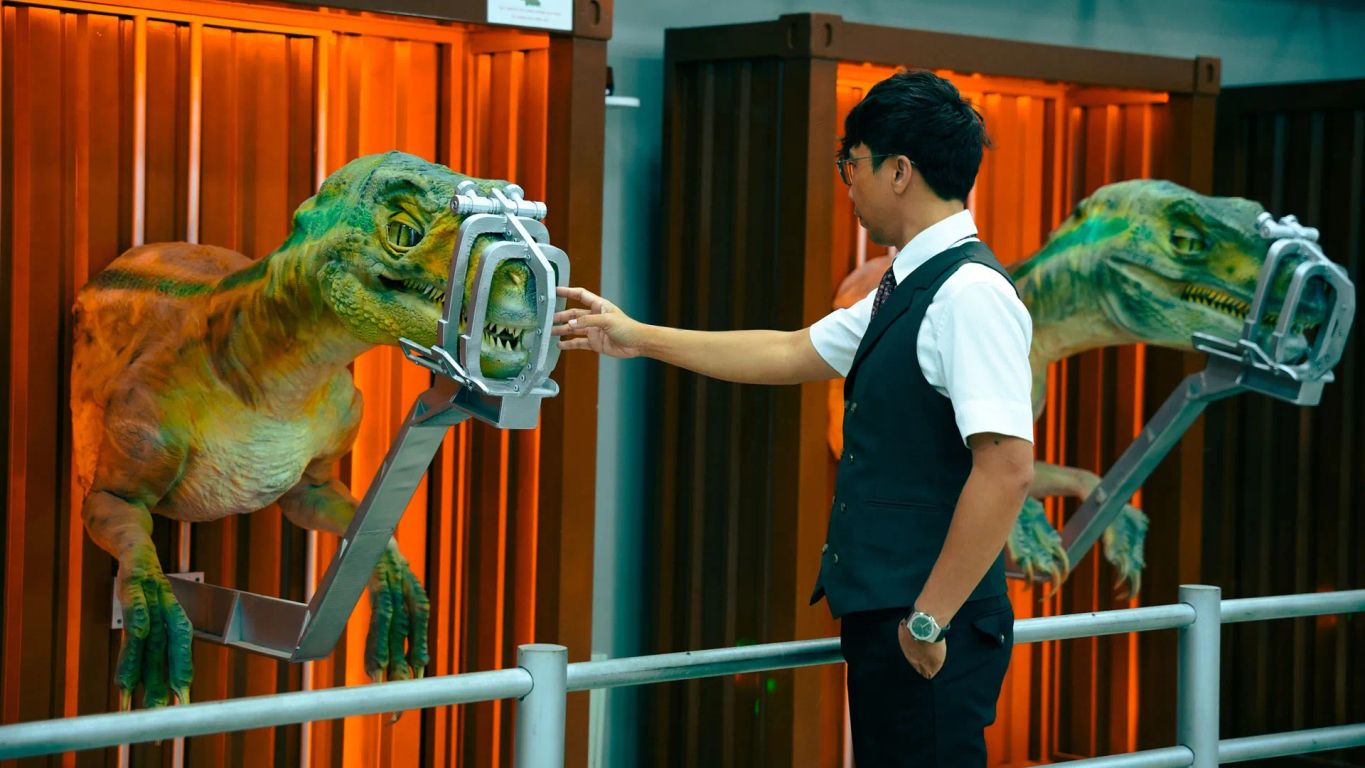
When you’re looking to add something as unique as an animatronic dinosaur to your project, picking the right manufacturer is a big deal. It’s not just about getting a cool product; it’s about making sure it’s safe, lasts a long time, and that the company stands behind their work. Think of it like buying a car—you want a reliable brand, right? The same goes for these amazing creations. A good manufacturer, like Cinemagic Workshop, doesn’t just build things; they build trust.
Ensuring Safety and Durability
Safety is probably the most important thing when you’re dealing with large, moving pieces of machinery, especially if they’re going to be around people. A trusted manufacturer puts safety first, from the design phase all the way through to installation. They use materials that are not only strong but also safe, and they test everything rigorously. You don’t want an animatronic breaking down or, even worse, causing an accident. Durability also means your investment lasts. You want these dinosaurs to be roaring for years, not just a few months.
A reliable manufacturer prioritizes robust construction and rigorous testing to guarantee both the safety and longevity of their animatronic creations.
Here’s a quick look at what goes into making sure an animatronic is safe and durable:
- Material Selection: Using high-grade steel for internal structures and weather-resistant, non-toxic materials for the skin and exterior.
- Structural Engineering: Designing the internal mechanics to withstand constant movement and external pressures.
- Electrical Safety: Implementing proper wiring, insulation, and safety cut-offs to prevent electrical hazards.
- Motion Control Systems: Programming smooth, predictable movements to avoid sudden jerks or unexpected actions.
- Environmental Testing: Testing the animatronic in various conditions (temperature, humidity) to ensure it performs reliably.
Choosing a manufacturer with a proven track record in safety and durability means you’re not just buying a product; you’re investing in peace of mind. It’s about knowing that your animatronic will perform as expected, day in and day out, without unexpected issues.
The Value of Experience and Authority
Experience really counts in this field. Animatronics are complex, blending art, engineering, and technology. A manufacturer with years in the business has seen it all, learned from past projects, and refined their processes. They know what works and what doesn’t. This kind of experience translates into a higher quality product and a smoother project overall. When you work with an experienced team, you’re tapping into a wealth of knowledge that can solve problems before they even come up. For example, Cinemagic Workshop has been making animatronic dinosaurs for kids for a while, and that experience shows in their work.
Building Trust Through Transparency and Support
Transparency is key in any good partnership. A trusted manufacturer will be open about their processes, materials, and timelines. They won’t hide anything. They’ll communicate clearly and keep you in the loop every step of the way. This includes providing detailed proposals, regular updates, and being upfront about any challenges. Good support also means they’re there for you after the sale, offering help with installation, maintenance, and any questions that come up. It’s about building a relationship, not just making a sale. You want a partner who will help you choose a reliable animatronics maker and support you long-term.
Here’s what to look for in terms of transparency and support:
- Clear communication channels from start to finish.
- Detailed project proposals and contracts.
- Regular progress reports and updates.
- Post-purchase support for installation and maintenance.
- Willingness to address concerns and provide solutions promptly.
Ultimately, choosing a trusted animatronic manufacturer is about making a smart investment. It’s about ensuring your project is a success, from the initial idea to the moment your animatronic comes to life and beyond. It’s about partnering with people who care about your vision as much as you do.
Investing in Unforgettable Experiences
Creating Captivating Environments for Audiences
Bringing animatronic dinosaurs to life is about more than just mechanics; it’s about crafting entire worlds that draw people in. Think about how a well-designed exhibit can transport you. It’s not just the dinosaur itself, but the sounds, the lighting, and the story being told around it. These elements work together to make a truly memorable experience. Cinemagic Workshop understands this, focusing on the whole picture to build places where audiences feel completely immersed.
- Storytelling through design: Every animatronic has a role in a larger narrative.
- Sensory engagement: Using soundscapes, lighting, and even mist to enhance the atmosphere.
- Interactive elements: Allowing visitors to engage with the environment, not just observe it.
The Return on Investment for Animatronic Attractions
Investing in animatronic dinosaurs might seem like a big upfront cost, but the long-term benefits can be substantial. These attractions draw crowds, generate buzz, and encourage repeat visits. They become a signature feature that sets a venue apart. For example, a dinosaur park can see a significant boost in attendance and revenue. It’s about creating a unique selling point that keeps people coming back.
When you create something truly special, people will seek it out. Animatronic dinosaurs offer a unique blend of education and entertainment, making them a powerful draw for families and enthusiasts alike. This translates directly into increased ticket sales and merchandise revenue, proving their worth as a business asset.
Partnering for Success in Immersive Storytelling
Choosing the right partner for your animatronic project is key. You need a team that not only builds incredible creatures but also understands your vision and goals. A good partner will work with you from concept to installation, ensuring everything aligns with your project’s needs. For instance, the Bronx Zoo’s Dinosaur Safari shows how a strong partnership can lead to a successful, engaging attraction. It’s about collaboration and shared dedication to making something amazing.
Think about it: instead of buying more stuff, what if you put your money into making awesome memories? Like, really cool trips or trying new things. These experiences stick with you way longer than any toy or gadget. Want to find out how to start making these kinds of smart choices? Head over to our site to learn more!
Wrapping Things Up
So, there you have it. Figuring out the cost of animatronic dinosaurs can seem like a lot, with all the different things that go into it. But, by looking at the size, how complex it is, and what features you want, you can get a better idea of what to expect. Remember, it’s not just about the price tag; it’s about getting a quality piece that will last and really bring your vision to life. If you’re thinking about adding some prehistoric pals to your project, working with a good manufacturer, like Cinemagic Workshop, can make all the difference. They’re based in Vietnam and really know their stuff when it comes to making these amazing creatures. It’s all about finding the right fit for your needs and budget, and making sure you get something truly special.
Frequently Asked Questions
What kinds of products do you make?
We make super real animatronic models that grab your attention. We build everything from big dinosaurs and make-believe animals to special robot figures for museums, fun parks, shows, and places where you can feel like you’re part of a story.
Where are your facilities located?
Our main workshop and factory are in Vietnam. Here, a team of artists, engineers, and storytellers work together to create animatronics that are known worldwide.
What kind of technology do you use to make your products?
We mix new robot engineering with smart computer programs that control movement and sensors. We also use materials that are good for the planet. We pay close attention to every small part, mixing art and new ideas to make movements that look real and give you amazing experiences.
Can I get samples of your products?
Because our animatronic products are custom-made and very large, we don’t give out small samples. But we do show you detailed designs, choices for materials, and technical papers as we build your product. This way, we make sure it’s exactly what you imagined.
Do you ship your products to other countries?
Yes, we send our animatronic models all over the world. Our shipping team makes sure each creation is packed safely and moved with care. We also help you set up and take care of the models once they arrive.
How much does an animatronic dinosaur usually cost?
The cost of an animatronic dinosaur can change a lot. It depends on things like how big it is, how detailed it looks, how it moves, and any special features you want. Simple ones might be less, but very detailed, moving ones with lots of tech will cost more.
